Transform Your Organization: Just How AI Automation Is Changing B2B Procedures
AI automation is improving B2B operations in substantial ways. Business are embracing this modern technology to improve process and improve efficiency. As tasks become automated, organizations can focus on calculated growth instead of ordinary procedures. The implications of these modifications are profound, affecting every little thing from customer interactions to supply chain monitoring. Recognizing this improvement is important, as the future of business rest on the reliable integration of AI into daily procedures. What lies in advance in this progressing landscape?
Comprehending AI Automation in B2B Context
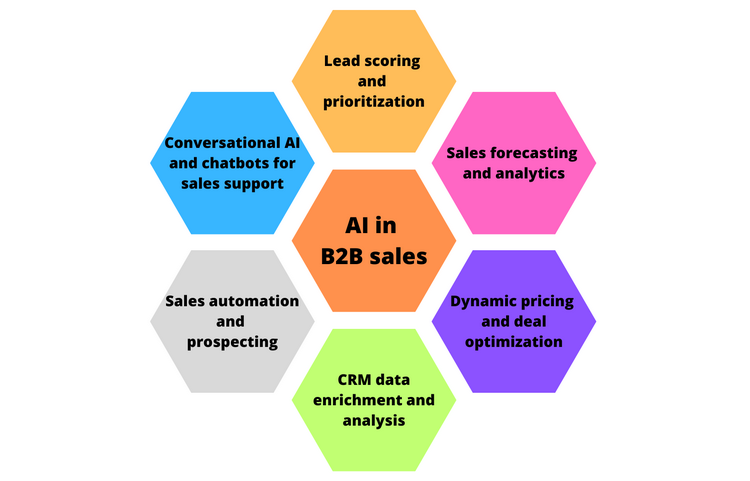
As organizations significantly look for performance, comprehending AI automation within the B2B context becomes essential. AI automation describes the application of artificial intelligence innovations to improve and simplify business procedures. In B2B environments, this can manifest in different forms, such as automating information entrance, maximizing supply chain logistics, or improving supply administration. Organizations leveraging AI automation can lower operational prices, decrease human error, and rise efficiency. Moreover, AI devices can assess substantial quantities of information to offer actionable insights, enabling notified decision-making. The combination of AI right into B2B operations not only changes typical process however likewise fosters dexterity and scalability, permitting businesses to adjust to market changes swiftly and efficiently. Welcoming this technology is necessary for remaining competitive in today's electronic landscape.
Enhancing Consumer Experience With AI
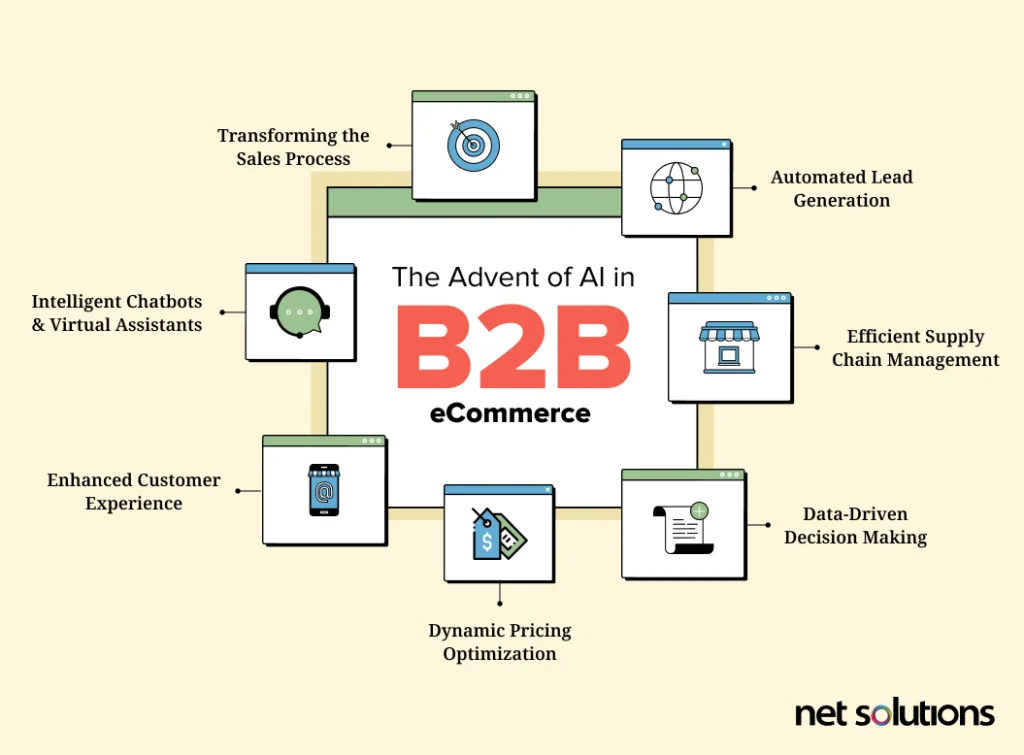
Exactly how can AI transform client interactions in the B2B sector? AI enhances customer experience by giving personalized, timely, and effective service. Intelligent chatbots and digital assistants can take care of questions 24/7, ensuring customers receive instant responses. Anticipating analytics make it possible for services to anticipate consumer needs, tailoring offerings appropriately. AI-driven systems can examine client data, permitting targeted advertising strategies and boosted engagement. Additionally, view evaluation tools examine customer feedback, assisting companies tweak their services. By automating routine tasks, AI frees up personnels to concentrate on high-value communications, fostering more powerful partnerships. The integration of AI not just improves interaction however also builds trust and loyalty, inevitably raising the general consumer experience in the affordable B2B landscape.
Streamlining Supply Chain Administration With AI
AI plays a vital role in optimizing supply chain management through predictive analytics and automated stock control (B2B Growth Consulting). By leveraging predictive analytics, organizations can prepare for need variations and change their procedures as necessary. Automated stock systems better improve performance by ensuring supply levels are preserved, lowering waste and boosting general efficiency
Predictive Analytics Advantages
While several services deal with challenges in taking care of intricate supply chains, predictive analytics supplies a transformative remedy by leveraging vast quantities of information to anticipate fads and maximize procedures. By examining historical data together with real-time inputs, predictive analytics enables firms to identify patterns and prepare for future demands. This insight permits more enlightened decision-making, boosting performance and minimizing prices. In addition, companies can proactively attend to potential disruptions by anticipating supply chain bottlenecks and adjusting strategies as necessary. The combination of predictive analytics not just improves supply management yet also promotes stronger connections with distributors and clients with timely feedbacks to market shifts. Eventually, the fostering of anticipating analytics empowers organizations to remain affordable in a progressively dynamic organization atmosphere.
Automated Stock Control
As businesses significantly depend on anticipating analytics to maximize supply chain operations, automated supply control emerges as an effective ally in this effort. By leveraging AI-driven modern technologies, business can improve precision in inventory tracking, reduce stockouts, and decrease excess inventory. Automated systems evaluate real-time data, allowing services to predict need fluctuations and adjust supply degrees accordingly. This not just streamlines order fulfillment yet likewise enhances cash flow administration by reducing holding prices. Additionally, AI can identify patterns in buying habits, allowing more educated decision-making regarding vendor relationships and purchase methods. Inevitably, automated supply control not just enhances operational effectiveness yet additionally improves customer complete satisfaction by guaranteeing product accessibility, strengthening its function as an essential component in modern supply chain monitoring.
Data-Driven Choice Making Powered by AI
In today's competitive landscape, companies progressively count on data-driven decision-making to improve operational efficiency and calculated planning. Expert system plays a crucial role in this change by analyzing large quantities of data swiftly and properly. AI formulas recognize patterns, patterns, and abnormalities that human analysts could ignore, allowing businesses to make educated choices based on real-time understandings - Minarik AI. This capability permits business to predict market shifts, enhance source allocation, and customize their offerings to consumer needs. Furthermore, AI-driven analytics help with danger evaluation and monitoring, making sure that companies can navigate uncertainties efficiently. By leveraging these advanced tools, services not only boost their decision-making processes but additionally obtain a competitive advantage in their respective markets, fostering growth and advancement
Automating Repeated Tasks to Boost Productivity
Enhancing repeated jobs via automation substantially improves efficiency within B2B procedures. By applying AI-driven options, firms can remove mundane activities such as information entry, billing processing, and report generation. This change enables workers to focus on higher-value tasks, promoting imagination and calculated thinking. Automating these time-consuming procedures not only reduces human error however additionally increases process effectiveness. Additionally, organizations can achieve regular outcomes and enhanced precision, which is critical in keeping customer complete satisfaction. The assimilation of automation tools enables companies to designate sources extra successfully, making certain that groups can react promptly to market needs. Ultimately, taking on AI for repeated tasks is a tactical move that changes functional capabilities and drives overall service development.
Integrating AI With Existing Service Procedures
Several organizations deal with obstacles when incorporating AI with existing business procedures. These challenges frequently stem from an absence of understanding regarding how AI can complement present workflows. Successful assimilation requires an extensive assessment of existing operations to identify areas where AI can include worth. Organizations should also assure that their groups are outfitted with the required skills to take advantage of AI devices effectively - Growth Systems For B2B. Furthermore, smooth integration rests on go to the website the compatibility of AI innovations with tradition systems. Firms frequently find it valuable to embrace a phased technique, piloting AI applications in particular departments prior to a more comprehensive rollout. This approach permits for modifications based upon preliminary feedback, guaranteeing smoother shifts and maximizing the possible advantages of AI automation in improving efficiency and efficiency
Future Trends in AI Automation for B2B Firms
As B2B firms aim to the future, boosted information analytics is set to play a critical role in driving decision-making procedures. Smart process automation will certainly likewise arise as an essential pattern, boosting and streamlining operations effectiveness. These advancements guarantee to improve exactly how services operate, ultimately leading to even more nimble and receptive companies.
Improved Data Analytics
While services significantly depend on data-driven choices, the function of AI in improving data analytics is coming to be extra important in B2B procedures. AI technologies help with the collection and analysis of large datasets, making it possible for companies to discover valuable insights that drive tactical preparation. Anticipating analytics powered by AI enables organizations to forecast market trends and customer habits with higher precision. In addition, artificial intelligence formulas enhance information analysis, recognizing patterns that human analysts may ignore. This results in even more informed decision-making and maximized source allotment. As B2B firms remain to welcome AI-driven analytics, they can anticipate enhanced functional performance, improved customer experiences, and an one-upmanship in the marketplace. The future of data analytics in B2B copyrights on integrating advanced AI abilities.
Smart Process Automation
Smart Refine Automation (IPA) is poised to change B2B procedures by flawlessly incorporating AI technologies with typical service procedures. This cutting-edge method incorporates robotic procedure automation (RPA) with sophisticated AI abilities, making it possible for organizations to enhance performance and accuracy. Business can automate recurring tasks, such as data entry and billing processing, permitting workers to concentrate on critical efforts. IPA likewise leverages artificial intelligence and natural language processing, improving decision-making through real-time information evaluation. As companies significantly embrace IPA, they can expect considerable cost reductions and improved consumer experiences. Future fads show an expanding reliance on IPA for scalability and flexibility, placing companies to grow in an ever-evolving industry. Accepting IPA will certainly be important for preserving competitiveness in the digital age.
Often Asked Concerns
What Industries Benefit Most From AI Automation in B2B Workflow?
Just How Can Little Organizations Implement AI Automation Effectively?
Local business can execute AI automation efficiently by determining repetitive tasks, choosing suitable devices, integrating services progressively, training personnel, and continually evaluating performance to optimize procedures, optimizing and guaranteeing a smooth changeover efficiency.
What Are the Costs Connected With AI Automation Application?
The expenses related to AI automation implementation commonly include software acquisition, infrastructure upgrades, training personnel, ongoing upkeep, and potential assessment fees. These expenditures can differ considerably based on the scale and complexity of the automation solutions selected.
Just how Do I Gauge ROI From AI Automation Initiatives?
To determine ROI from AI automation efforts, one ought to evaluate cost financial savings, performance improvements, and income growth versus execution costs. Tracking vital performance signs with time offers beneficial understandings right into performance and total return on financial investment.
What Skills Are Needed to Take Care Of AI Automation Projects?
Effective administration of AI automation jobs needs abilities in task monitoring, information evaluation, shows, and comprehending AI technologies. Additionally, solid interaction, problem-solving capabilities, and versatility are vital for steering the intricacies of such efforts.
As organizations significantly seek effectiveness, comprehending AI automation within the B2B context comes to be crucial. The combination of AI right into B2B operations not just transforms standard process yet likewise fosters agility and scalability, enabling companies to adapt to market adjustments quickly and effectively. While businesses progressively rely on data-driven decisions, the duty of AI in enhancing data analytics is becoming a lot more important in B2B procedures - Growth Systems For B2B. Intelligent Refine Automation (IPA) is poised to transform B2B procedures by seamlessly integrating AI modern technologies with standard organization processes. Reliable monitoring of AI automation tasks needs skills in project administration, information evaluation, shows, and recognizing AI modern technologies